 3-4 Working Days

Gauge 28 vs. Gauge 30 Mabati: Choosing the Right Roof for Your Kenyan Home
Gauge 28 vs. Gauge 30 Mabati: Choosing the Right Roof for Your Kenyan Home
Author
signature
Share
Author
signature
Share
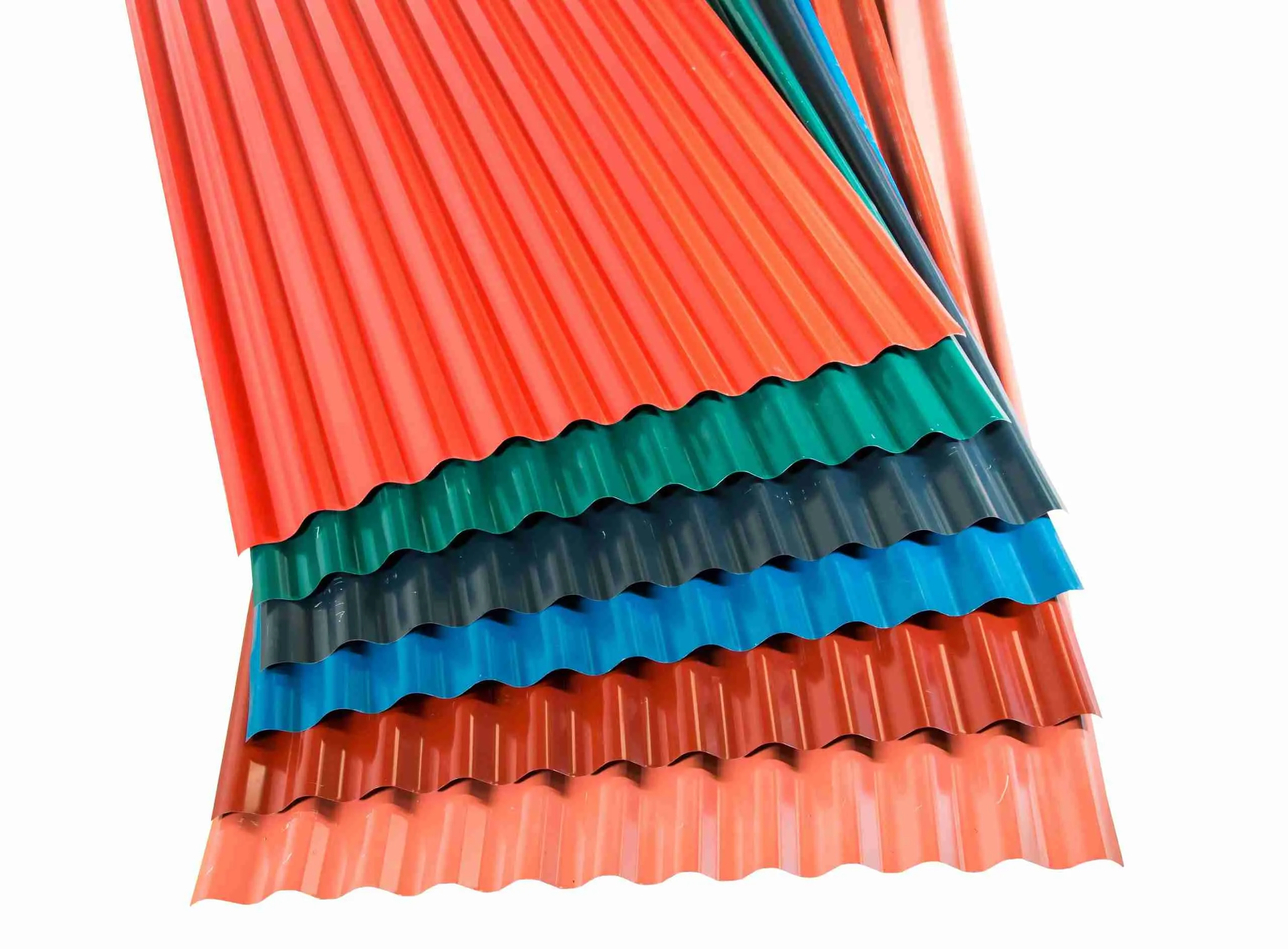
When it comes to roofing your Kenyan home, mabati is a popular and affordable choice. But within the world of mabati, there’s a number you need to understand: the gauge. This seemingly simple number packs a big punch, dictating the thickness and overall performance of your roof. Today, we compare two common options: Gauge 28 and Gauge 30 mabati.
Thickness Matters:
Remember, lower gauge numbers mean thicker sheets. Here’s the breakdown:
- Gauge 28: 0.32 mm thick
- Gauge 30: 0.25 mm thick
That may seem like a small difference, but it translates to big impacts:
Strength and Durability:
- Gauge 28: With its extra thickness, Gauge 28 offers superior strength. It can withstand heavier loads, making it ideal for areas with strong winds or hail. It’s also less prone to denting during installation and foot traffic.
-
Gauge 30: Being thinner, Gauge 30 is more susceptible to bending and dents. While suitable for lower wind and hail zones, it may require more careful handling and support structures.
Gauge 28:
- The thicker material comes at a premium. Expect to pay slightly more for Gauge 28 compared to Gauge 30.
- Gauge 30: As the thinner option, Gauge 30 is more budget-friendly. However, remember that potential repairs due to dents or damage could negate the initial cost savings.
Weight and Insulation:
- Gauge 28: The heavier weight of Gauge 28 might require stronger supporting structures for your roof. However, it also provides slightly better thermal insulation, keeping your home cooler in hot weather.
- Gauge 30: The lighter weight of Gauge 30 puts less strain on your roof structure. But, its thinner profile offers less insulation, potentially impacting your energy bills.
Choosing the Right Gauge:
So, which one should you choose? It depends on your specific needs and priorities:
- For strength and durability, especially in harsh weather zones, Gauge 28 is your champion.
- If budget is a top concern and your area experiences milder weather, Gauge 30 might be a suitable option.
Beyond the Gauge:
Remember, gauge is just one factor. Consider other aspects like:
- Roof pitch: Steeper pitches might require thicker gauge for better wind resistance.
- Building type: Commercial buildings often demand stronger roofs, favoring Gauge 28.
- Warranty: Compare warranties offered by different manufacturers for each gauge.
Consulting a professional:
Choosing the right mabati for your roof is a crucial decision. Consult an experienced roofing contractor who can assess your specific needs and recommend the optimal gauge based on your budget, location, and building type.
With this knowledge, you’re well on your way to choosing the perfect mabati for your Kenyan home – a roof that provides shelter, security, and peace of mind for years to come!
